Adding custom attributes in WooCommerce is quite easy. They can describe a product in the Additional Information section or provide the options used to create variations. This guide shows how to add custom options to the WooCommerce product page and when a custom field works better than a product attribute. I will use a free plugin to create custom fields that let customers personalise your WooCommerce products.
Contents
- Attributes, variations or custom fields: which one do you actually need?
- Product attributes & custom attributes in WooCommerce
- Custom product fields with a free WooCommerce extension
- FAQ – custom product fields in WooCommerce
- Summary & more about the plugin
- WooCommerce advanced custom fields: a FREE product & checkout customizer
- How to add a custom product field in WooCommerce? (free plugin)
- WooCommerce product personalization with a free plugin!
- How to get WooCommerce product URL with any attribute & custom fields
- Create Custom Fields in WooCommerce Checkout and Product Pages
Flexible Product Fields WooCommerce
Create a product wizard to sell engravings, gift wrapping, gift messages, business cards, stamps and optionally charge for it (fixed or percentage).
💾 Active Installations: 10,000+ | WordPress Rating:
By default, you may use global or product-specific attributes. But standard product attributes do not provide input fields for customers to enter an engraving text, a gift message or another personal request.
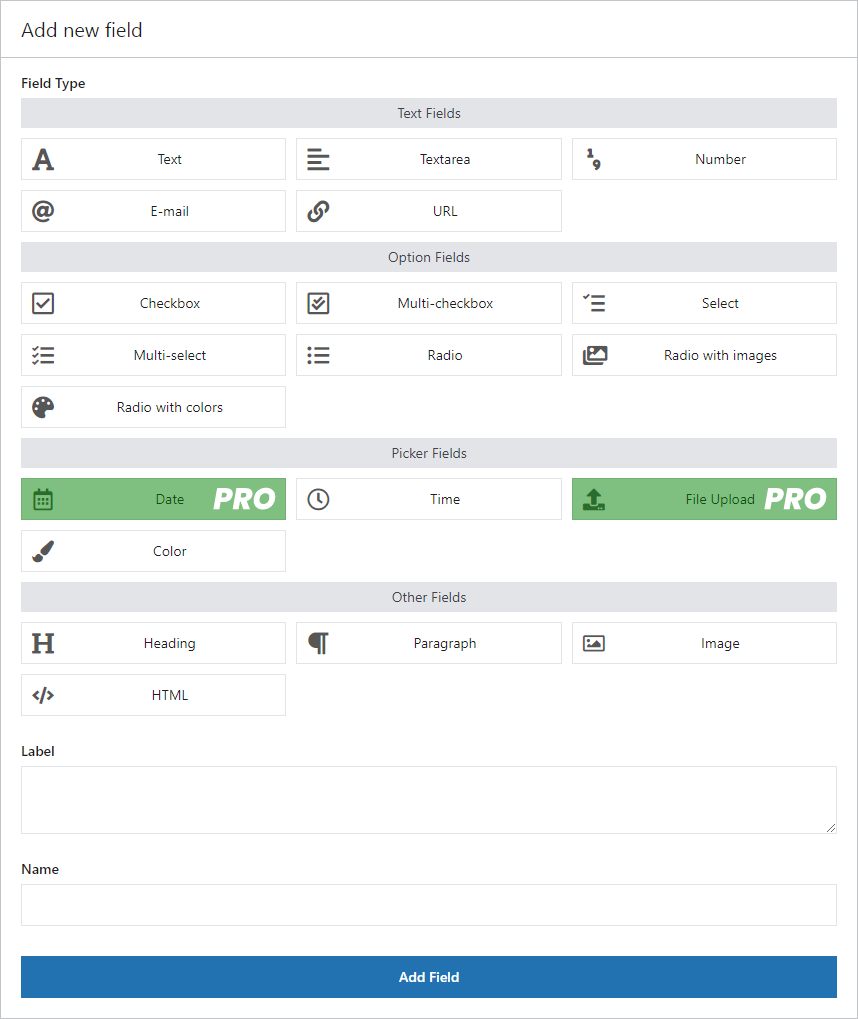
Let's use a free plugin with a clear interface to add custom product fields using 18 field types. These fields let customers enter or select personalisation options on the product page. The number 18 refers to field types, not a limit on individual fields. Date and file upload fields require PRO.
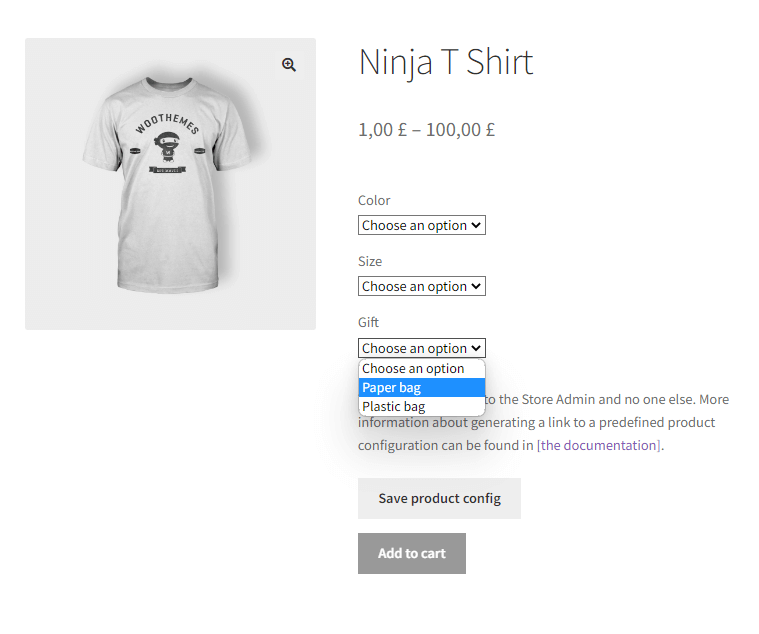
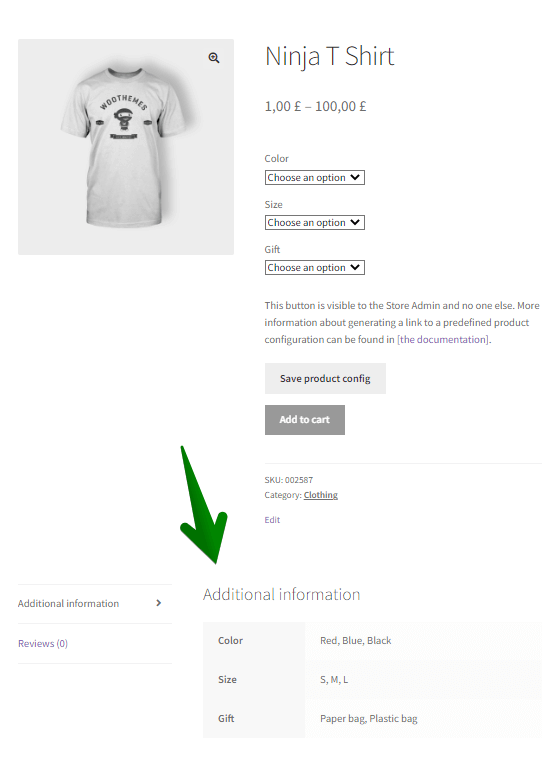
A product page with standard attributes:
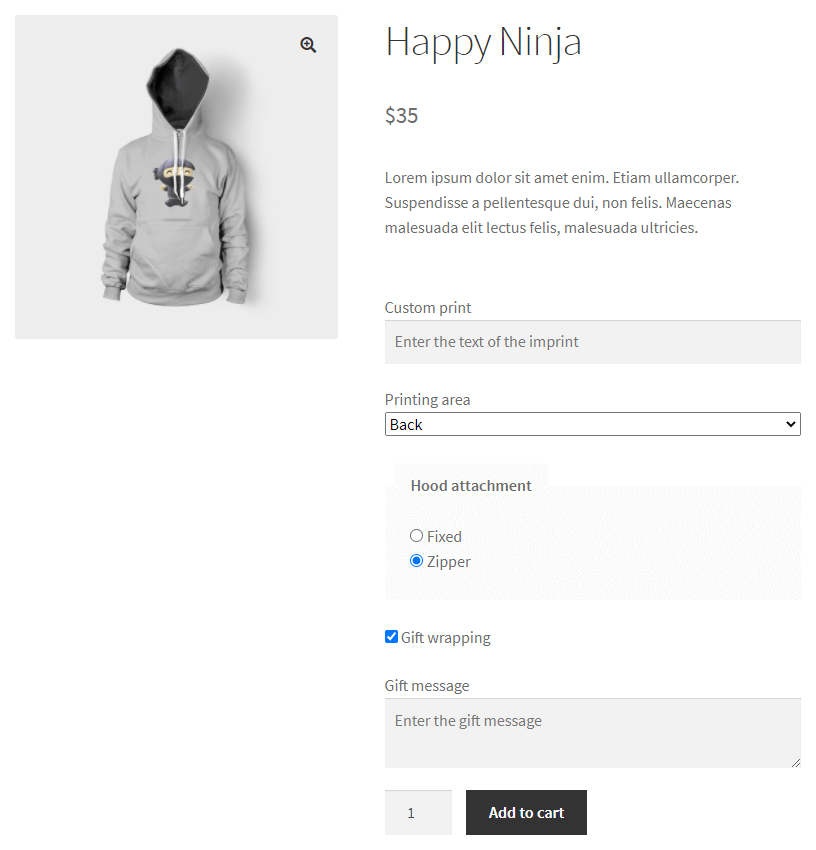
A product page with Flexible Product Fields:
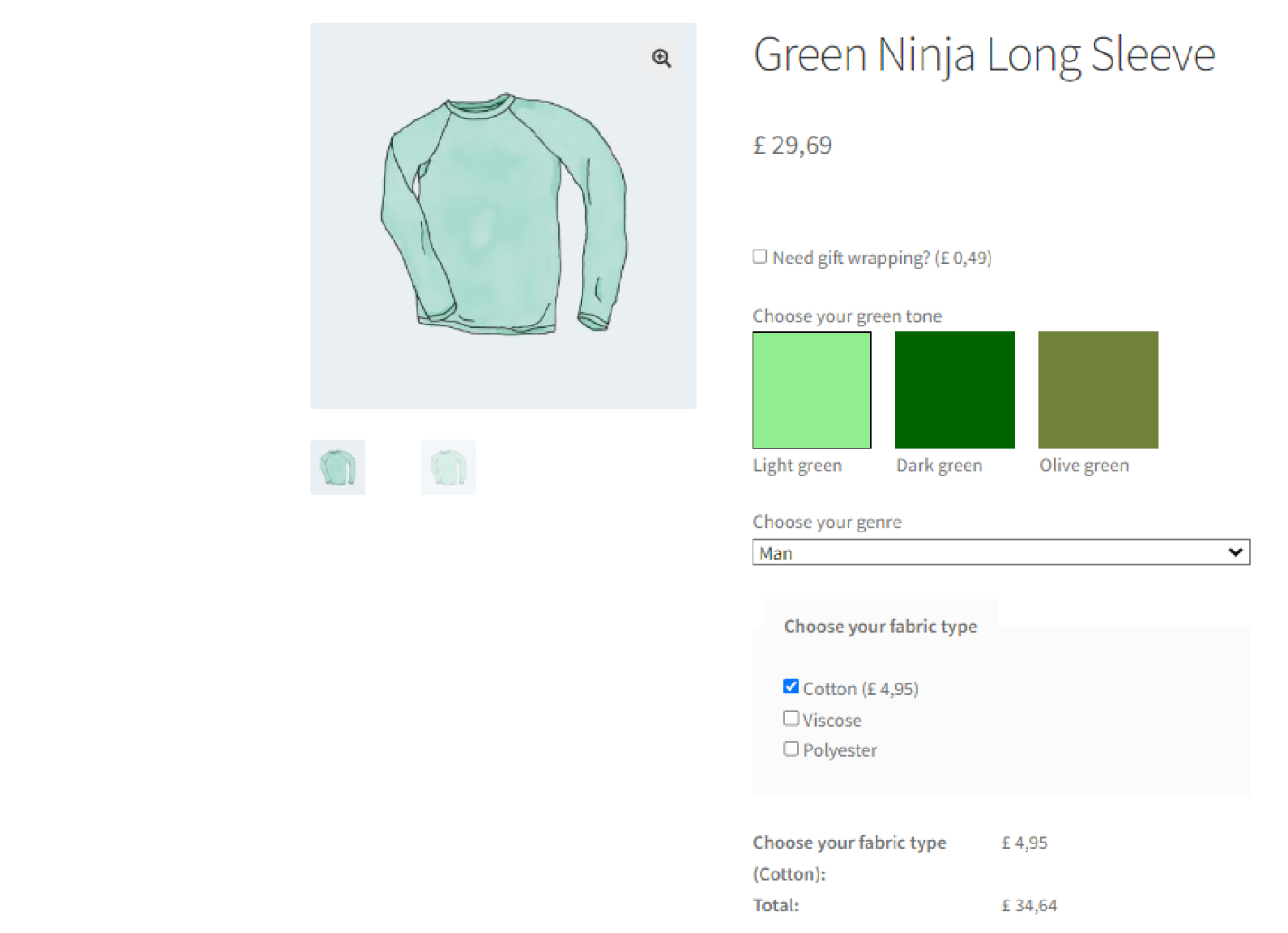
Below, you can compare default WooCommerce attributes, variations and custom fields added with a free plugin.
Attributes, variations or custom fields: which one do you actually need?
These three mechanisms solve different problems. Attributes describe the product, such as its material or country of origin. Descriptive attributes do not change the price by themselves. Variations use attribute values to offer selectable product versions, with their own prices and, when needed, their own stock levels. Separate SKUs and variation-level stock management are optional. See our guide to WooCommerce variable products for the setup.
Custom product input fields collect the customer's request. They capture something the customer types or selects, such as engraving text, a gift message, an uploaded logo or a requested delivery date, and save it with the order. Each new name or message does not need its own product variation.
A useful test is whether you need to track inventory for each option. A T-shirt sold in three sizes and four colours can have twelve variations, because medium blue can sell out independently. Adding a printed name calls for a custom field alongside those variations, not another variation for every possible name. For information that applies to the whole order, read our guide to custom fields in the WooCommerce checkout.
Product attributes & custom attributes in WooCommerce
By default, you may use standard WooCommerce product attributes, either global or product-specific.
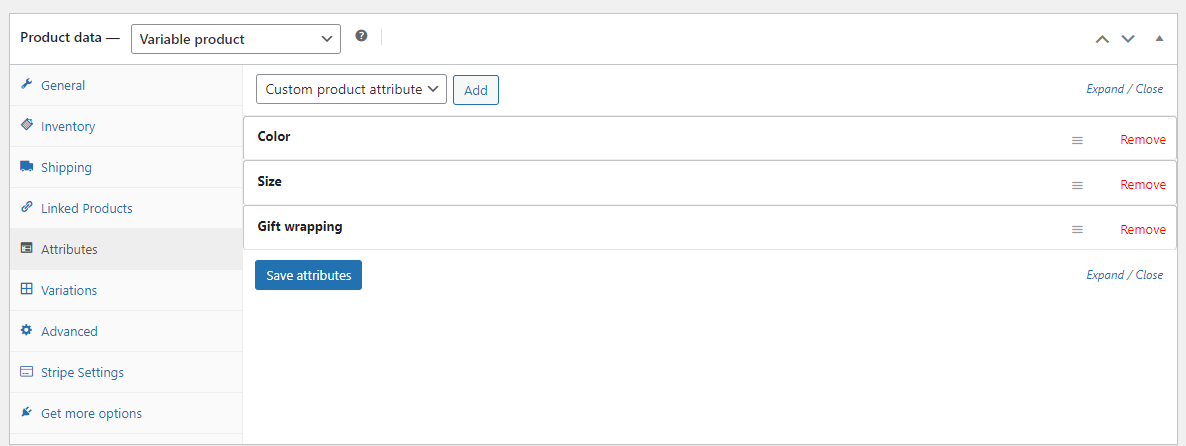
You can set global attributes in Products → Attributes and reuse them across products. You can also add a product-specific attribute while editing a product in Product data → Attributes.
Attributes marked as visible on the product page appear in the Additional Information section. Attributes used for variations can also provide choices such as size or colour. Neither replaces an input field for a customer's own text.
Custom product fields with a free WooCommerce extension
Use custom fields when customers need to enter or select personalisation details.
Customers can configure personalised products directly on the WooCommerce product page.
The free version offers 18 field types. Download Flexible Product Fields to start adding text fields, checkboxes and other options. Conditional logic, extra pricing, date fields and file uploads require PRO.
Flexible Product Fields WooCommerce
Create a product wizard to sell engravings, gift wrapping, gift messages, business cards, stamps and optionally charge for it (fixed or percentage).
💾 Active Installations: 10,000+ | WordPress Rating:
Flexible Checkout Fields WooCommerce
Add, remove, and reorder checkout fields in WooCommerce for free.
Download for free or Go to WordPress.orgChanges in the Flexible Product Fields panel
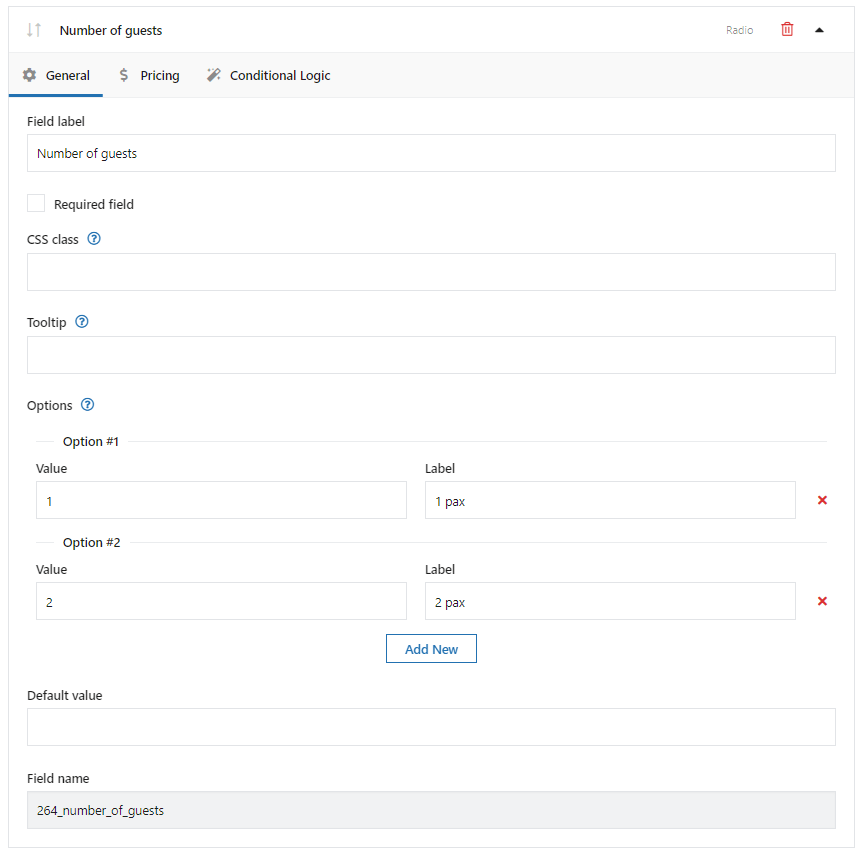
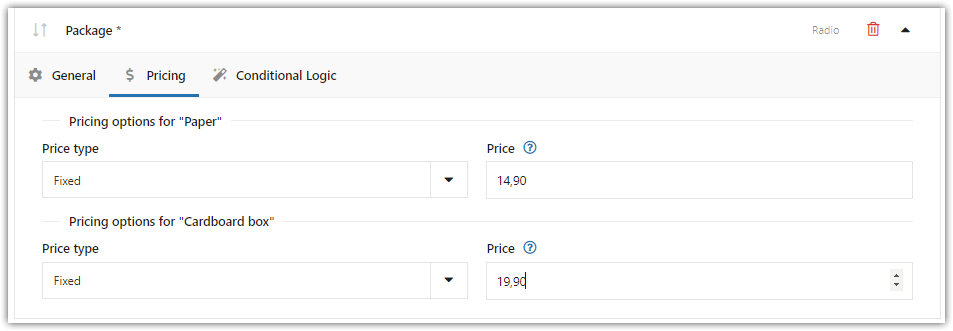
The Flexible Product Fields panel groups settings into a clear, tabbed layout. Each field type keeps its own settings in a separate window, making larger configurations easier to manage without scrolling through one long card.
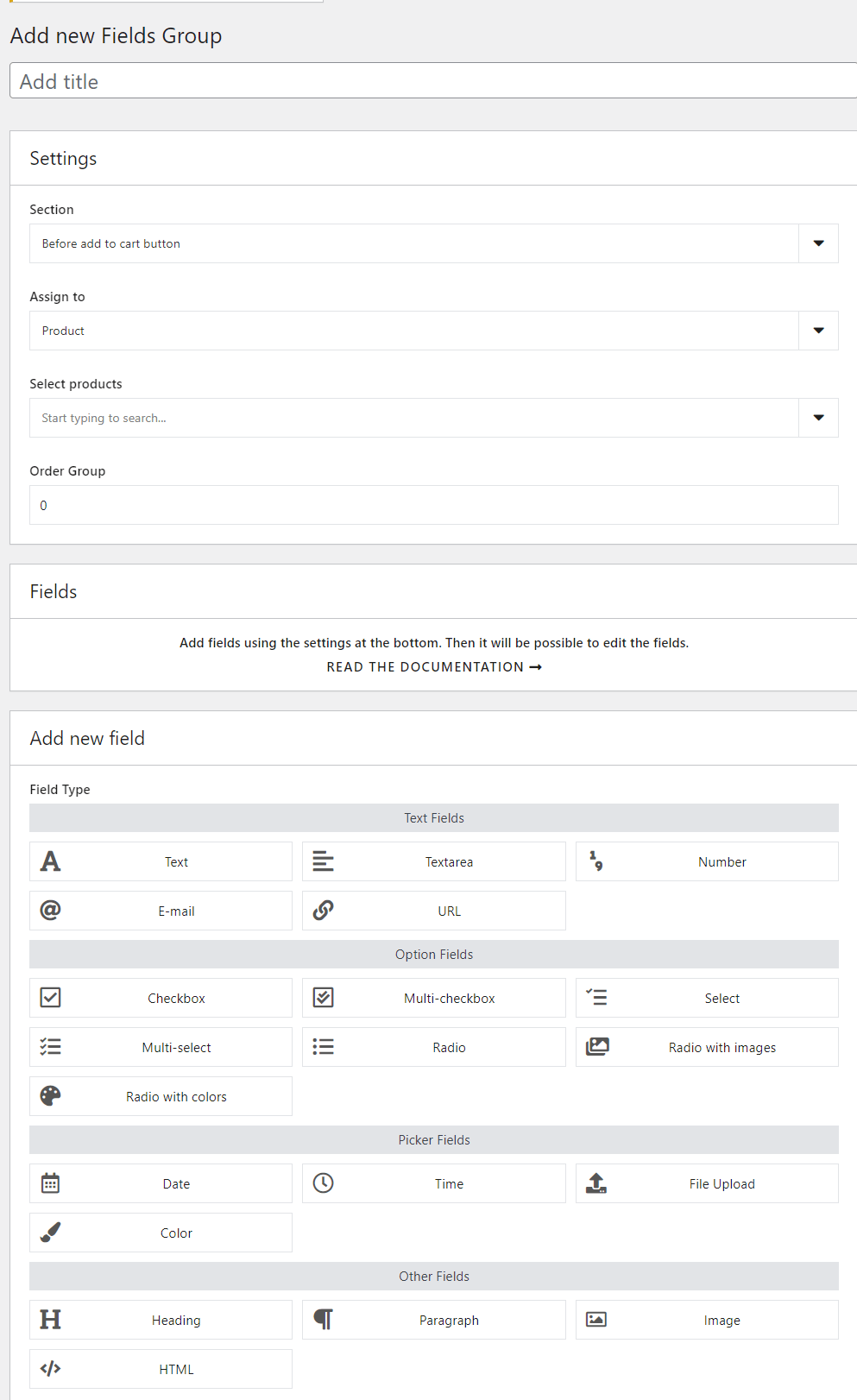
Sample field settings

Don't forget to update the plugin
When configuring a field, review its general settings and any available pricing or conditional logic tabs. Before publishing, test the product page and place a test order to check that the selected options are recorded correctly.
Flexible Product Fields WooCommerce
Create a product wizard to sell engravings, gift wrapping, gift messages, business cards, stamps and optionally charge for it (fixed or percentage).
💾 Active Installations: 10,000+ | WordPress Rating:
FAQ – custom product fields in WooCommerce
What is the difference between a product attribute and a custom field in WooCommerce?
An attribute describes the product and can appear in the Additional Information table or be used for variations. A custom product input field collects the customer's request, such as engraving text, and saves it with the order. In this guide, “custom fields” means customer-facing product options, rather than every kind of WordPress custom metadata.
Can I add custom fields to WooCommerce products for free?
Yes. The free version of Flexible Product Fields adds 18 field types without code, including text fields, checkboxes and selects. Conditional logic, extra pricing, date fields and file uploads require PRO.
Will custom field data appear in the order and in the invoice?
The values entered by the customer are saved with the order item and can be viewed in the WooCommerce admin order screen. Check your order confirmation email with a test purchase, particularly if you use custom templates. Whether the values appear on an invoice depends on your invoicing plugin and its template settings.
Do custom fields slow down the product page?
The impact depends on your field configuration, conditional rules, theme and other plugins. Test the product page after adding or expanding field groups, especially on mobile. There is no universal field count that guarantees unchanged loading times.
Can a custom field change the product price?
Yes, with the PRO version. You can add a fixed amount or a percentage to a selected option, for example to charge for gift wrapping or personalisation.
Prefer to watch the setup? This short video walks through adding fields to a product page and configuring their options.
Summary & more about the plugin
You now have two ways to extend a WooCommerce product page: attributes for describing the product, and custom fields for collecting what the customer wants. Use variations when customers choose between product versions, and add custom fields for their personalisation requests.
If you have any questions, leave a comment below!